Bulk Enzyme Buying Guide for Peptide Powder Plants
Peptide powder plants do not buy enzymes as catalogue items. They buy control over hydrolysis behavior, batch repeatability, processing windows, filtration performance, and production continuity.
Enzymeproduct supplies enzymes for protein hydrolysate manufacturers that need predictable peptide generation from real plant conditions: variable protein inputs, tight production schedules, spray drying constraints, and downstream separation requirements.
If you are evaluating a bulk enzyme supplier for peptide powder production, this guide gives your production, procurement, and technical teams a practical framework for making the right buying decision.
What bulk enzyme buying needs to solve
A low-cost enzyme can become expensive if it creates unstable hydrolysis behavior, poor filtration, excessive viscosity shift, inconsistent taste profile, or unpredictable batch timing.
For peptide powder plants, enzyme selection should support:
- Consistent degree of hydrolysis targets from batch to batch
- Controlled peptide profile development within the available process window
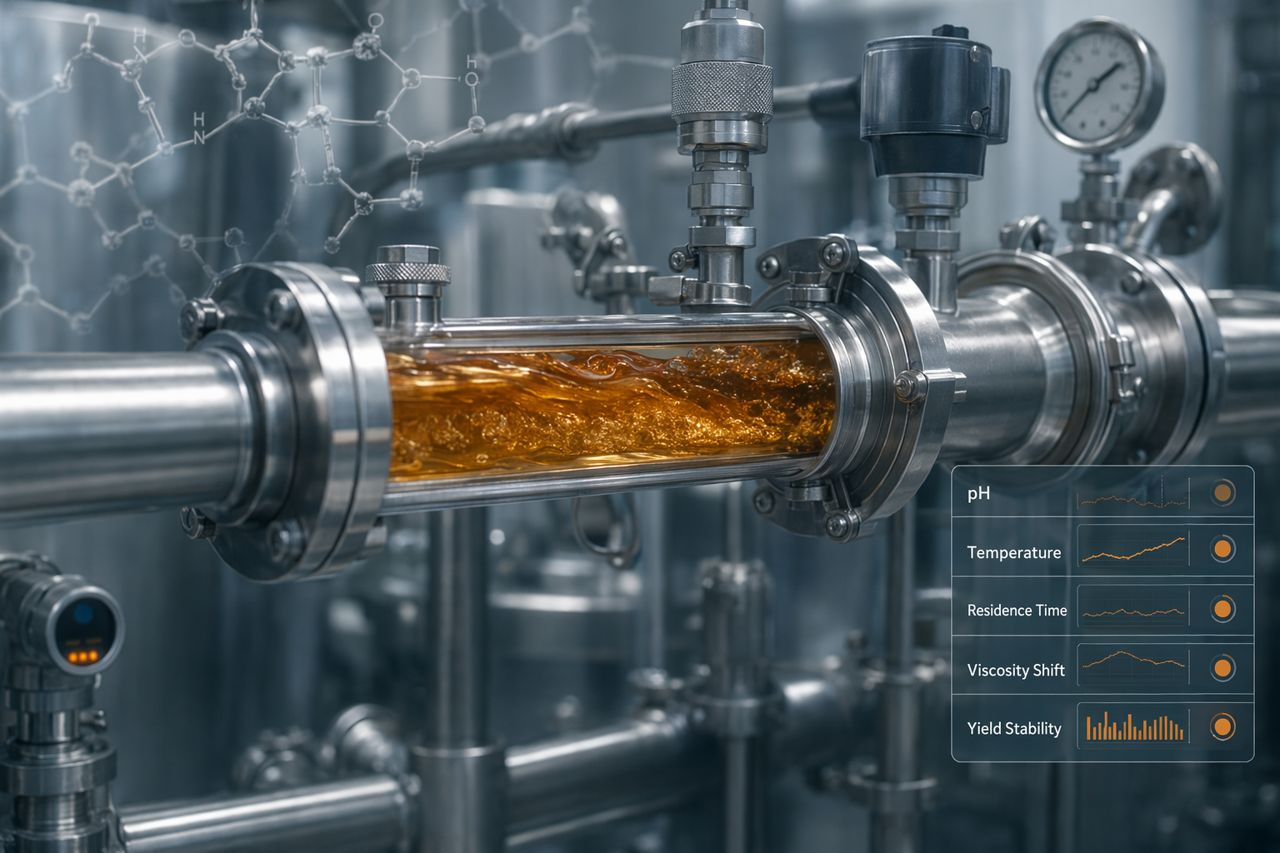
- Compatible performance across pH, temperature, and residence-time conditions
- Manageable viscosity reduction before clarification or concentration
- Stable downstream filtration and membrane behavior
- Reliable procurement planning for campaign-based production
- Technical support when raw material, solids level, or schedule changes
Enzymeproduct works with protein hydrolysate manufacturers as an enzyme supplier for protein hydrolysate production, with emphasis on operational fit rather than generic enzyme claims.
Start with the substrate and finished powder target
Before bulk purchasing, define the production reality around the enzyme.
Key production inputs
Your supplier should understand:
- Protein source, such as collagen, fish, dairy, soy, pea, wheat, rice, or mixed protein streams
- Protein concentration and solids handling constraints
- Pretreatment steps before hydrolysis
- Target peptide powder positioning, such as nutrition, functional ingredient, animal nutrition, fermentation nutrient, or technical application
- Sensory constraints, especially bitterness and aroma sensitivity
- Downstream equipment, including centrifuges, filters, membranes, evaporators, and dryers
The enzyme system should be selected for the whole process, not only for initial protein breakdown.
Choose enzyme format around plant handling
Bulk enzyme format affects dosing accuracy, operator handling, storage planning, and changeover risk.
Liquid enzyme formats
Liquid enzymes are often preferred where fast dispersion, automated dosing, and enclosed transfer are priorities. They can fit well into plants that run regular hydrolysis campaigns and want clean integration into existing liquid addition systems.
Operational considerations include:
- Pumpability and transfer compatibility
- Storage tank or container planning
- Freeze and heat exposure risk during logistics
- Dose accuracy under production conditions
- Container turnaround and batch traceability
Powder or granulated enzyme formats
Dry enzyme formats may be selected where storage footprint, transport efficiency, or controlled manual addition is preferred.
Operational considerations include:
- Dust control and operator protection
- Dissolution behavior before addition
- Blending uniformity if pre-mixed into dry process aids
- Moisture protection during storage
- Clear handling instructions at shift level
Enzymeproduct can help align format choice with your production line, hygiene expectations, and dosing workflow.
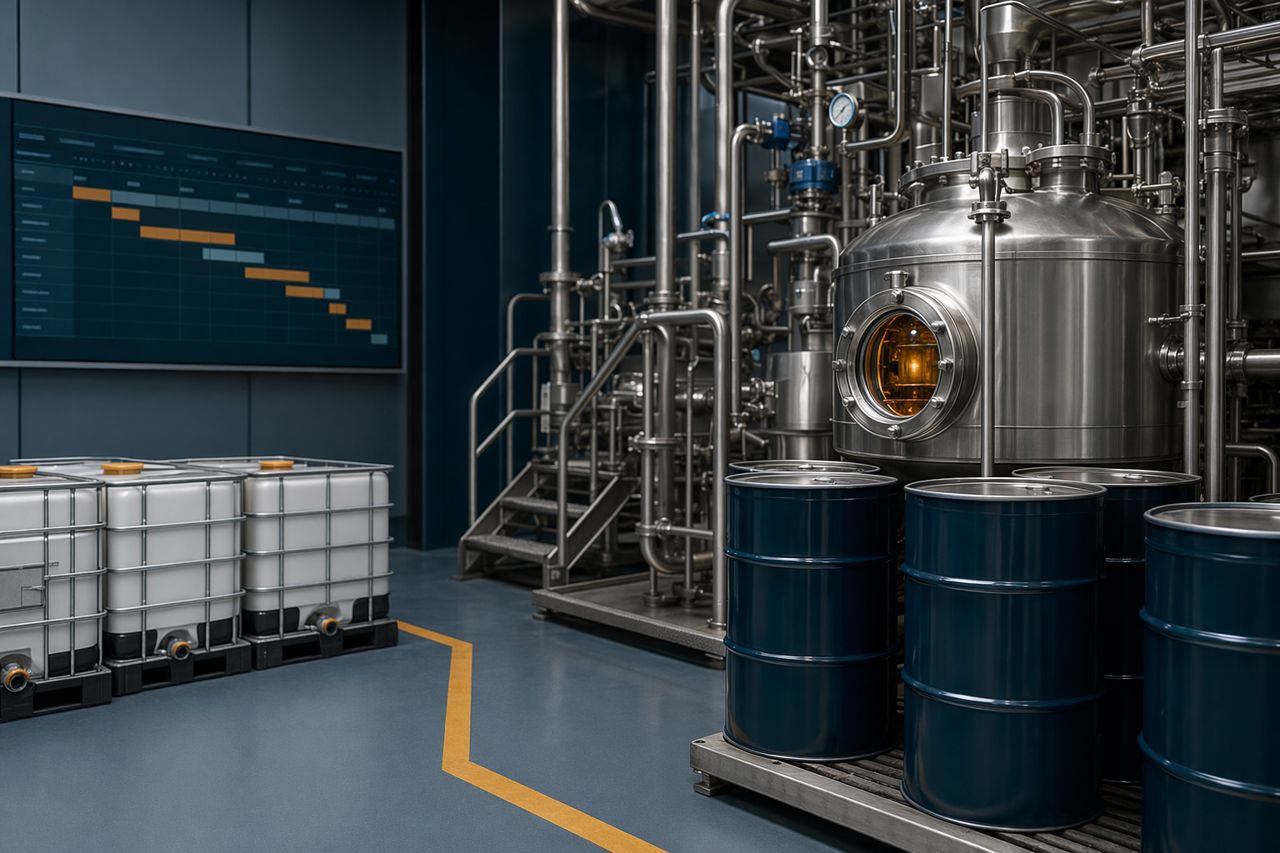
Plan storage around production campaigns
Bulk enzyme buying should match your campaign rhythm. Overbuying can create avoidable storage risk. Underbuying can interrupt hydrolysis schedules and delay drying slots.
A practical storage review should cover
- Expected monthly and campaign-based usage
- Lead time and safety stock level
- Cold or ambient storage availability
- Container size preference by shift and batch size
- Open-container handling and resealing practice
- Internal traceability by lot and production run
- Seasonal temperature exposure during inbound logistics
For plants running peptide powder campaigns, Enzymeproduct supports quote planning around forecasted kilo requirements, staged deliveries, and repeat order visibility.
Scale-up is not only about dose
Laboratory or pilot hydrolysis results do not automatically transfer to production scale. Mixing energy, heat-up profile, residence time, solids level, and hold conditions can change enzyme contact and peptide release behavior.
Scale-up questions to answer before bulk purchase
- Does the enzyme reach the target hydrolysis behavior within the plant’s actual process window?
- Is viscosity reduction early enough to support pumping and heat transfer?
- Does the batch remain manageable before clarification?
- Does downstream filtration remain stable at production solids?
- Is the enzyme compatible with the intended inactivation or downstream control step?
- Can operators execute the process reliably across shifts?
Enzymeproduct’s technical support focuses on moving from trial to plant-scale use with clear operating guidance and documentation for production teams.
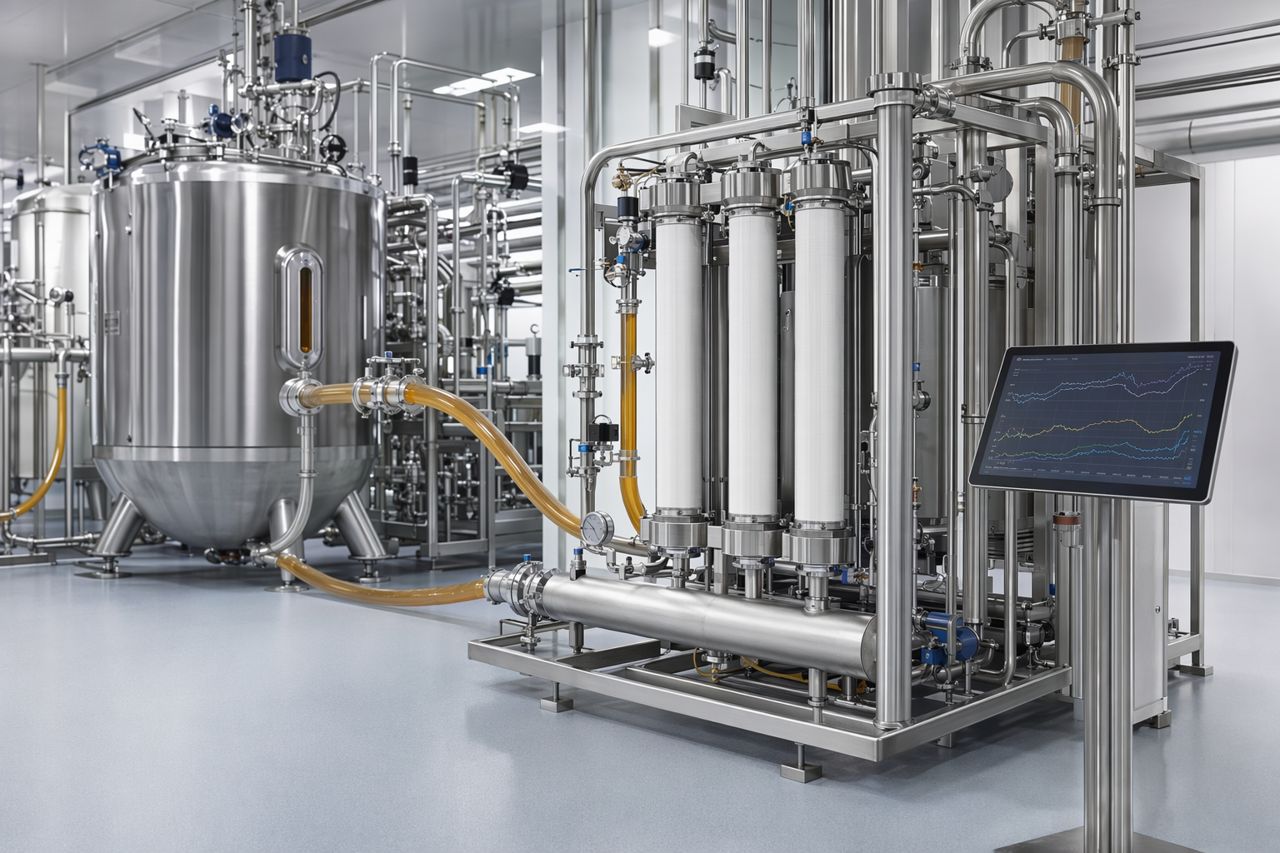
Buy for filtration behavior, not only hydrolysis speed
Fast protein breakdown is not always the best plant outcome. The right enzyme program should support the downstream operation.
Poor enzyme fit can lead to:
- Fine suspended material that slows clarification
- Variable viscosity entering filtration
- Inconsistent membrane flux behavior
- Higher cleaning frequency
- More rework or blending to meet powder specifications
- Batch-to-batch variation in finished powder performance
A better enzyme selection supports controlled peptide development while keeping the hydrolysate easier to process.
Scheduling bulk enzyme supply for peptide powder plants
Production managers need enzyme supply to match real scheduling constraints: incoming raw material availability, vessel time, filtration capacity, evaporator loading, and dryer slots.
Procurement should confirm
- Bulk availability for planned campaigns
- Lot traceability and documentation expectations
- Repeat supply consistency
- Delivery windows aligned with production start dates
- Support for urgent schedule changes
- Communication between purchasing, production, and technical contacts
Enzymeproduct supports bulk enzyme planning for plants that need reliable kilo-scale supply without forcing production teams into last-minute sourcing decisions.
Quote-based online kilo ordering without losing technical control
For peptide powder plants, convenient ordering should not remove technical review. Enzyme requirements depend on substrate, target hydrolysis behavior, process window, and downstream constraints.
Enzymeproduct supports a quote-based online request workflow for kilo-scale and bulk enzyme needs. Your team can submit production details through the on-site quote form, and Enzymeproduct will respond with suitable enzyme options, pack size recommendations, lead time information, and technical follow-up where needed.
This keeps purchasing efficient while protecting process fit.
What to provide when requesting a quote
To speed up evaluation, include the following details where available:
- Protein source and approximate batch scale
- Current hydrolysis process outline
- Target finished powder application
- Preferred enzyme format, if known
- Process pH and temperature window
- Desired batch time or residence-time target
- Downstream clarification, filtration, membrane, concentration, and drying steps
- Current pain points, such as viscosity, bitterness, slow filtration, or batch variation
- Expected kilo requirement and delivery schedule
If you are not ready to share full process details, Enzymeproduct can begin with a basic application review and identify the next information needed.
Watch the 60-second explainer
The embedded faceless explainer below shows how Enzymeproduct approaches bulk enzyme supply for peptide powder plants: controlled hydrolysis, stable processing behavior, and quote-based kilo planning for production schedules.
Why peptide powder plants choose Enzymeproduct
Enzymeproduct is built for industrial enzyme supply in protein hydrolysate production. The focus is practical: help manufacturers select enzyme systems that fit real equipment, real batch windows, and real downstream requirements.
Enzymeproduct helps production teams with
- Enzyme selection for hydrolysis control
- Format and storage planning
- Scale-up support from trial to plant use
- Batch consistency review
- Downstream filtration and processing considerations
- Bulk supply planning and repeat ordering support
- Clear communication with production, procurement, and quality teams
Request a quote
Ready to plan bulk enzyme supply for your peptide powder plant?
Use the on-site request form and include your protein source, process window, target powder application, preferred format, and expected kilo requirement. Enzymeproduct will review the application and respond with practical supply options for your production line.