Enzyme Supplier for Protein Hydrolysate Production
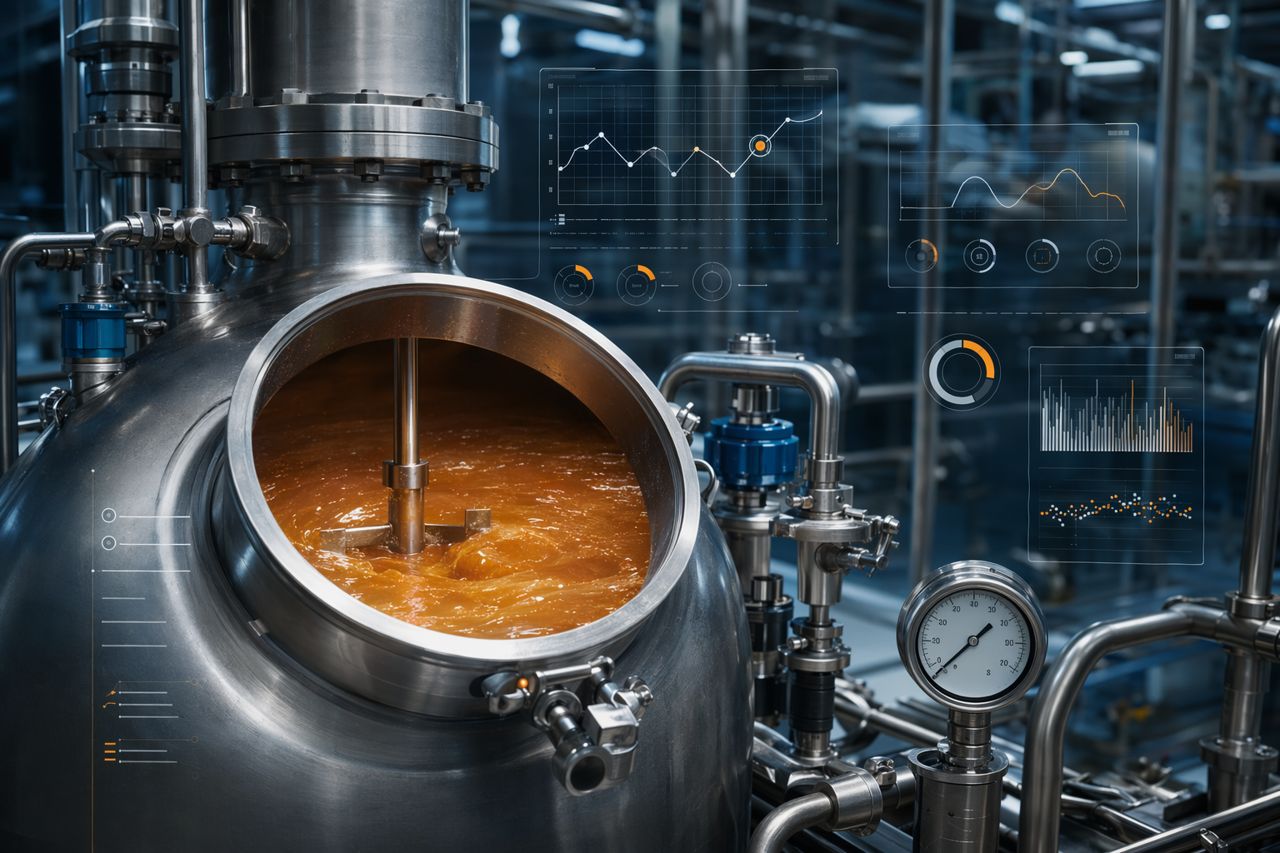
Enzymeproduct supplies enzyme solutions for plants manufacturing animal, fish, dairy, collagen, soy, yeast, and mixed-protein hydrolysates. Our focus is practical: help production teams control hydrolysis, protect batch-to-batch consistency, keep processing windows workable, and reduce avoidable downstream variation.
If you are sourcing an enzyme supplier for protein hydrolysate production, the decision should not be based on catalogue fit alone. The right enzyme system must match your raw material, target peptide profile, thermal process, pH window, residence time, viscosity behavior, separation setup, drying requirements, and commercial specification.
Enzymeproduct works with manufacturers, ingredient distributors and resellers who need enzyme selection and supply aligned with plant reality.
What to send with a quote request
Enzymeproduct supplies hydrolysate manufacturers, ingredient distributors and resellers on a quote-only basis. To get a usable answer on the first reply, include:
- The enzyme or process you need it for (substrate and target hydrolysate)
- Quantity per order and expected annual volume
- Destination country and preferred pack format
- Documents your quality team needs to review
Pricing, pack format and lead time are quoted per order.
Enzyme sourcing for controlled hydrolysis
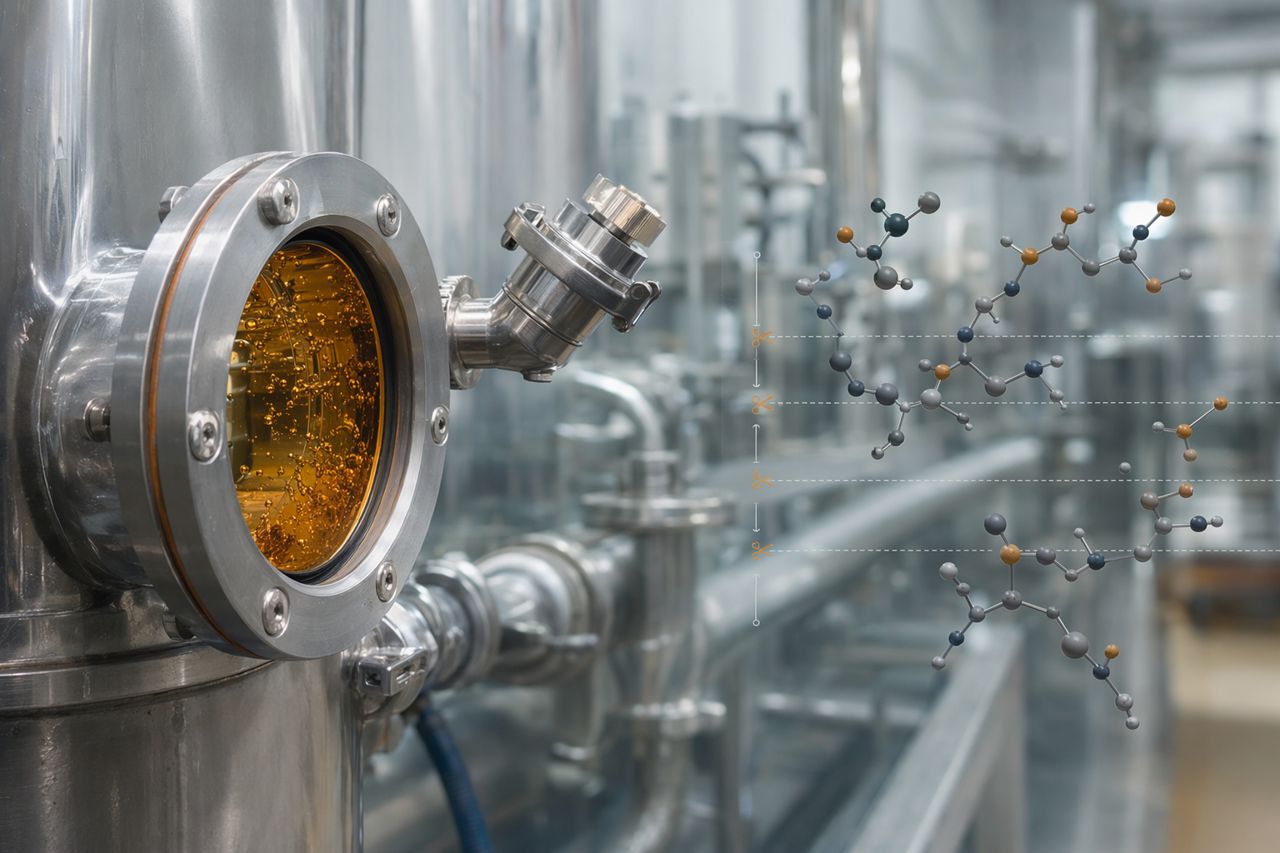
Protein hydrolysis is not just a cleavage step. It influences solubility, bitterness risk, mouthfeel, digestibility positioning, filtration rate, emulsion behavior, color development, nitrogen recovery, and finished powder consistency.
Enzymeproduct helps manufacturers select protease systems that support defined production outcomes, including:
- Stable hydrolysis progression across routine batches
- Practical control of degree of hydrolysis targets
- Better fit with existing temperature and pH conditions
- Manageable viscosity shift during the reaction phase
- Improved downstream clarification and filtration behavior
- Consistent soluble solids and yield performance
- Reduced risk of over-hydrolysis or inconsistent peptide distribution
- Clearer process recommendations for scale-up and routine production
Built for multiple protein streams
Enzymeproduct supports enzyme selection across a wide range of hydrolysate inputs.
Animal protein hydrolysates
For poultry, porcine, bovine, blood, bone, organ, and mixed animal protein streams, enzyme selection must account for variable raw material composition, fat load, mineral content, connective tissue, and heat history. Enzymeproduct helps match protease systems to the substrate so plants can manage conversion, separation, and finished product consistency.
Fish and marine hydrolysates
Fish hydrolysate production often requires fast but controlled protein breakdown while managing odor, oil separation, insoluble solids, and seasonal raw material variation. Enzymeproduct supports enzyme choices that fit marine protein streams, including fish frames, trimmings, viscera, skin, and mixed seafood by-products.
Dairy protein hydrolysates
Whey, casein, milk protein, and dairy-derived streams require careful control because hydrolysis affects taste, solubility, heat stability, and functional behavior. Enzymeproduct helps manufacturers evaluate enzyme systems for controlled peptide generation and repeatable process outcomes.
Collagen and gelatin hydrolysates
Collagen and gelatin hydrolysis depends on raw material pre-treatment, viscosity profile, thermal handling, and target molecular characteristics. Enzymeproduct supports enzyme system selection for plants producing collagen peptides or gelatin-derived hydrolysates where consistency and downstream drying behavior are critical.
Soy, yeast, and plant protein hydrolysates
Plant and microbial proteins may bring fiber, cell wall material, anti-nutritional components, ash, and non-protein solids into the process. Enzymeproduct helps identify enzyme approaches that support protein release, soluble nitrogen recovery, and manageable clarification.
Savory and functional hydrolysate lines
Savory hydrolysates and flavor systems
For savory bases, reaction flavors, broth systems and hydrolyzed vegetable or animal protein streams, taste impact, hydrolysis depth and process repeatability have to be managed together. Typical priorities are controlled peptide formation, bitterness management, predictable solids handling and stable performance across industrial batch cycles.
Functional protein powders
For functional powders and nutrition-oriented ingredients, hydrolysis control affects solubility, dispersibility, mouthfeel, viscosity and drying behavior. The enzyme strategy should follow the final ingredient specification, not a generic processing step.
Seven questions to settle before a trial
- What is the substrate and how variable is it?
- What degree of hydrolysis or peptide range is required?
- Is the main target flavor, functionality, solubility, viscosity reduction or yield stability?
- What pH and temperature window is available in the plant?
- How will the enzyme step be stopped or controlled?
- Which downstream operation is most sensitive: filtration, centrifugation, membrane concentration, evaporation or drying?
- What batch size, residence time and documentation expectations apply?
Enzymeproduct uses these answers to recommend a practical enzyme route for production trials and scale-up.
What production managers should expect from an enzyme supplier
A reliable enzyme supplier should help you make better process decisions before full-scale purchasing. Enzymeproduct supports B2B buyers with practical guidance around:
- Substrate type and raw material variability
- Target hydrolysis endpoint and product specification
- Processing temperature, pH, and residence time window
- Enzyme addition strategy and inactivation approach
- Viscosity development during hydrolysis
- Centrifugation, filtration, membrane, or evaporator behavior
- Finished liquid or powder requirements
- Batch documentation and change-control expectations
- Scale-up from bench, pilot, or trial production into routine manufacturing
Key process areas we help evaluate
1. Hydrolysis control
Uncontrolled hydrolysis can create inconsistent flavor, variable solubility, difficult filtration, or off-spec peptide distribution. Enzymeproduct helps align enzyme choice with the control points your plant already uses: time, temperature, pH, mixing, solids level, and endpoint monitoring.
2. Batch consistency
Raw protein streams can shift by season, supplier, species, heat exposure, fat content, and moisture level. Enzymeproduct helps manufacturers build enzyme programs that are robust enough for commercial production rather than optimized only for a perfect laboratory sample.
3. Processing window fit
An enzyme system must work inside your plant constraints. We consider the process you already run: tank size, heat-up rate, hold time, agitation, pH adjustment capability, pasteurization or inactivation steps, and downstream equipment limits.
4. Yield and soluble recovery
Hydrolysate economics depend on how much usable soluble material can be recovered without creating downstream bottlenecks. Enzymeproduct helps evaluate enzyme systems for conversion performance, solids behavior, and separation compatibility.
5. Filtration and clarification behavior
The enzyme decision affects what happens after hydrolysis. Poorly matched hydrolysis can increase fines, haze, gel formation, membrane fouling, or filter loading. Enzymeproduct works with production teams to consider downstream behavior from the start.
Practical information to include in your quote request
To recommend the right enzyme solution, Enzymeproduct typically reviews:
- Protein source and raw material description
- Current process flow and batch size range
- Solids level or slurry concentration target
- Operating pH and temperature range
- Desired hydrolysis endpoint or product functionality
- Filtration, centrifugation, evaporation, or drying equipment
- Current production challenges
- Regulatory, documentation, or application requirements
- Trial volume, launch timeline, and supply expectations
You do not need to have every answer ready. If you can describe the substrate and your production goal, Enzymeproduct can help define the next technical questions.
Why manufacturers choose Enzymeproduct
Enzymeproduct is built for industrial enzyme sourcing, not generic product browsing. We support protein hydrolysate manufacturers with direct technical communication, practical enzyme selection, and a clear path from request to trial to supply.
Manufacturers work with Enzymeproduct when they need:
- A supplier that understands hydrolysate production constraints
- Enzyme recommendations linked to process outcomes
- Support for animal, marine, dairy, collagen, soy, yeast, or mixed proteins
- Consistent commercial supply planning
- Technical input for trials and scale-up
- Clear documentation for purchasing and production review
- Responsive communication when process conditions change
Request a quote for protein hydrolysate enzymes
Tell us what you are producing, your raw material, your process window, the result you need, the quantity per order and the destination. Enzymeproduct will review the application and respond with an enzyme sourcing recommendation and a quotation; pricing, pack format and lead time are quoted per order.